A personal homepage used to mean a project. These personal website examples are one page each: a name, a sentence, and the work. The people are fictional. The layouts are the templates.
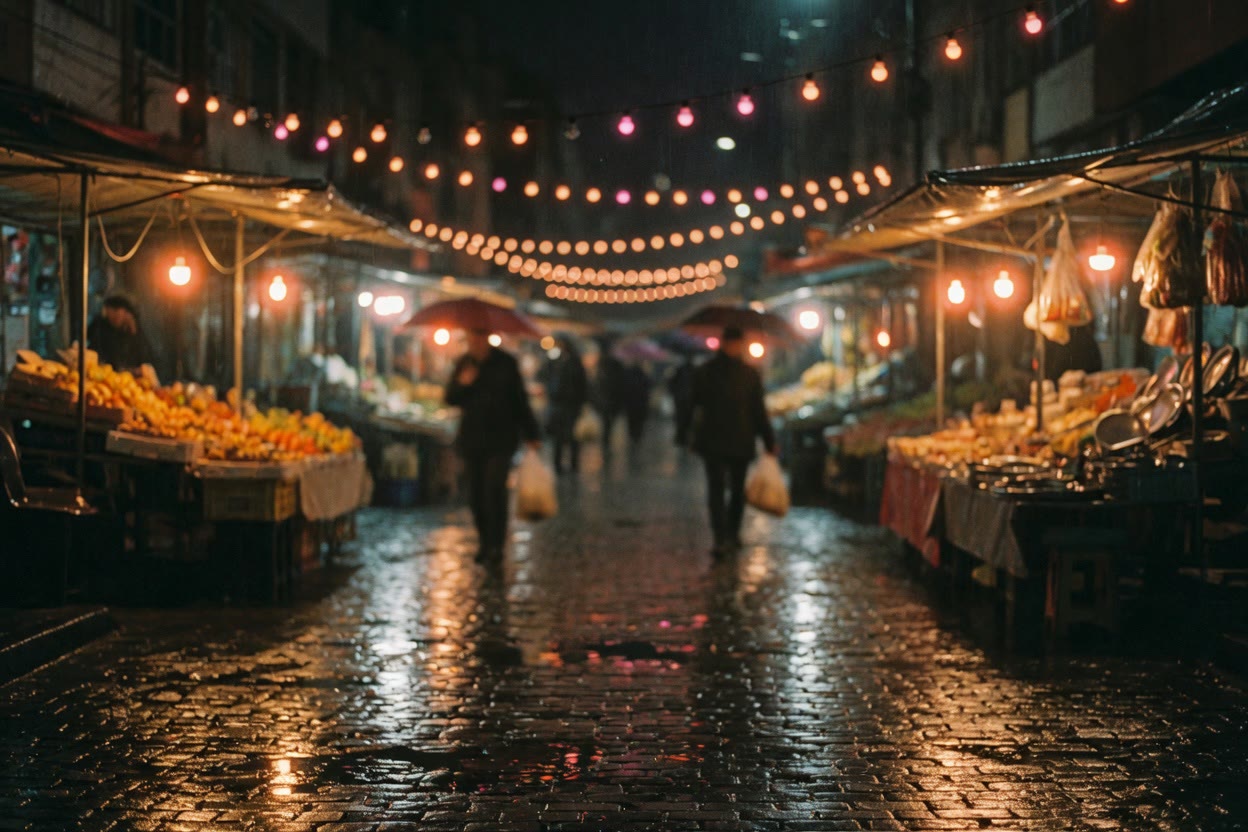
Alex’s personal website is a homepage, not a résumé with extra steps. The headline is “Languages, tools, and the notes between them.” The Now block says what he is actually building: Ink, a typed notebook, and Harbor, the CLI around it. A talk link sits under that, then a short note on why developer portfolios turn into PDFs. The page does not then become one. Email is “Slow email, real replies.”
The first sentence is a practice, not a job title stacked with adjectives.
Projects are few enough to read. Ink and Harbor each get one card he wrote.
Contact is on the page. The personal site does not end in a row of icons.
I design small languages and the CLIs that keep them honest. Currently at Harbor Labs, previously on the typechecker for a research notebook that got out of hand in the best way.
San Francisco
Now
Building Ink, a typed notebook format for people who write with code sitting next to the sentence. Harbor is the CLI around it — evals, snapshots, and a boringly reliable local workflow.
Occasional notes on type systems that stay out of the way, local-first tools, and why most developer portfolios look like résumé PDFs with extra steps.
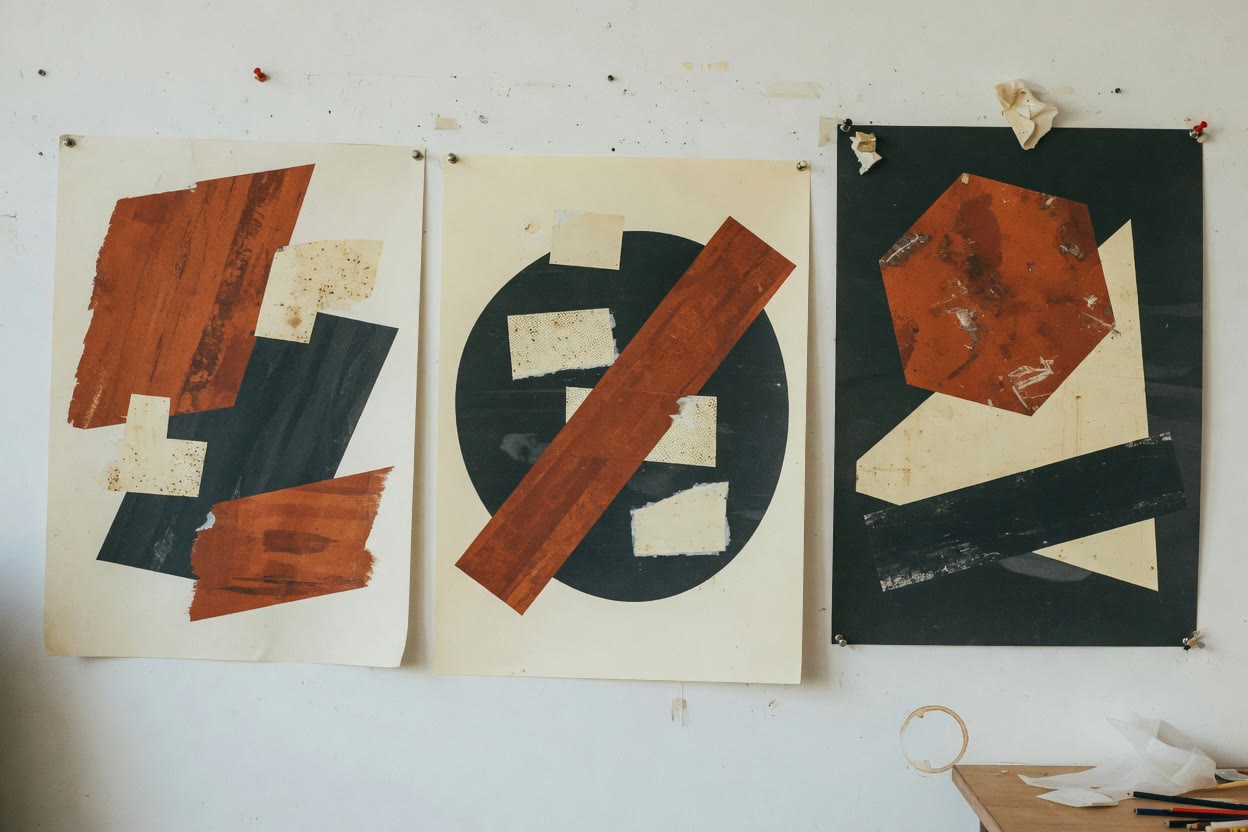
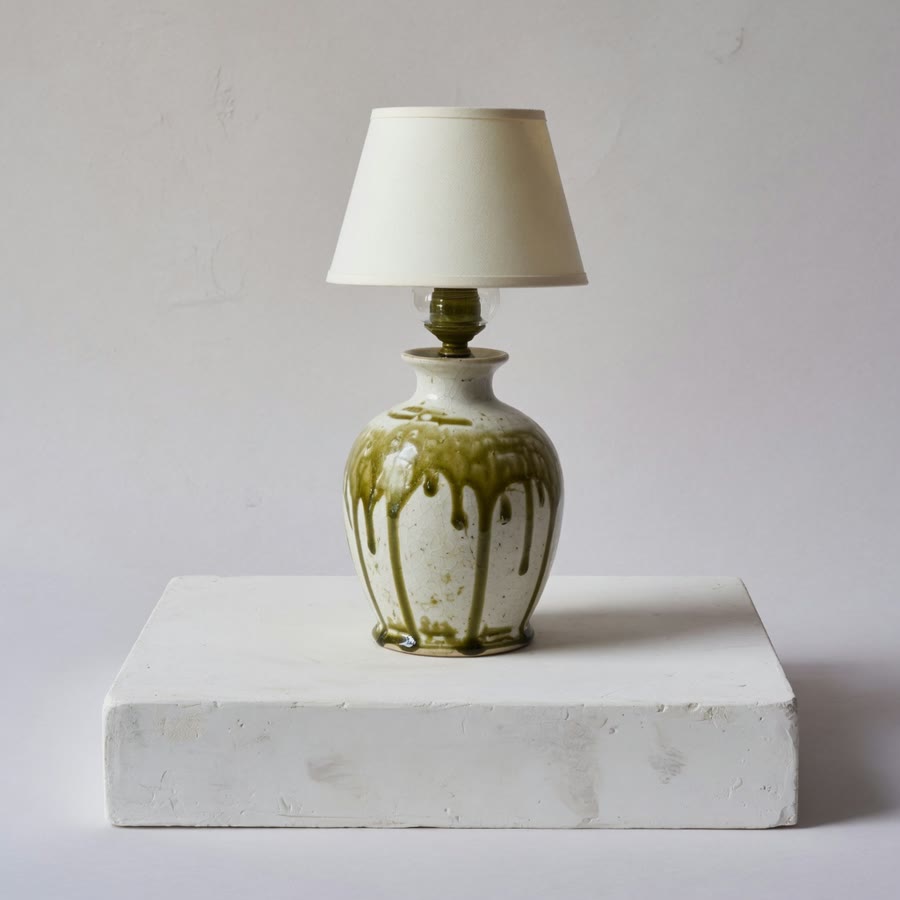
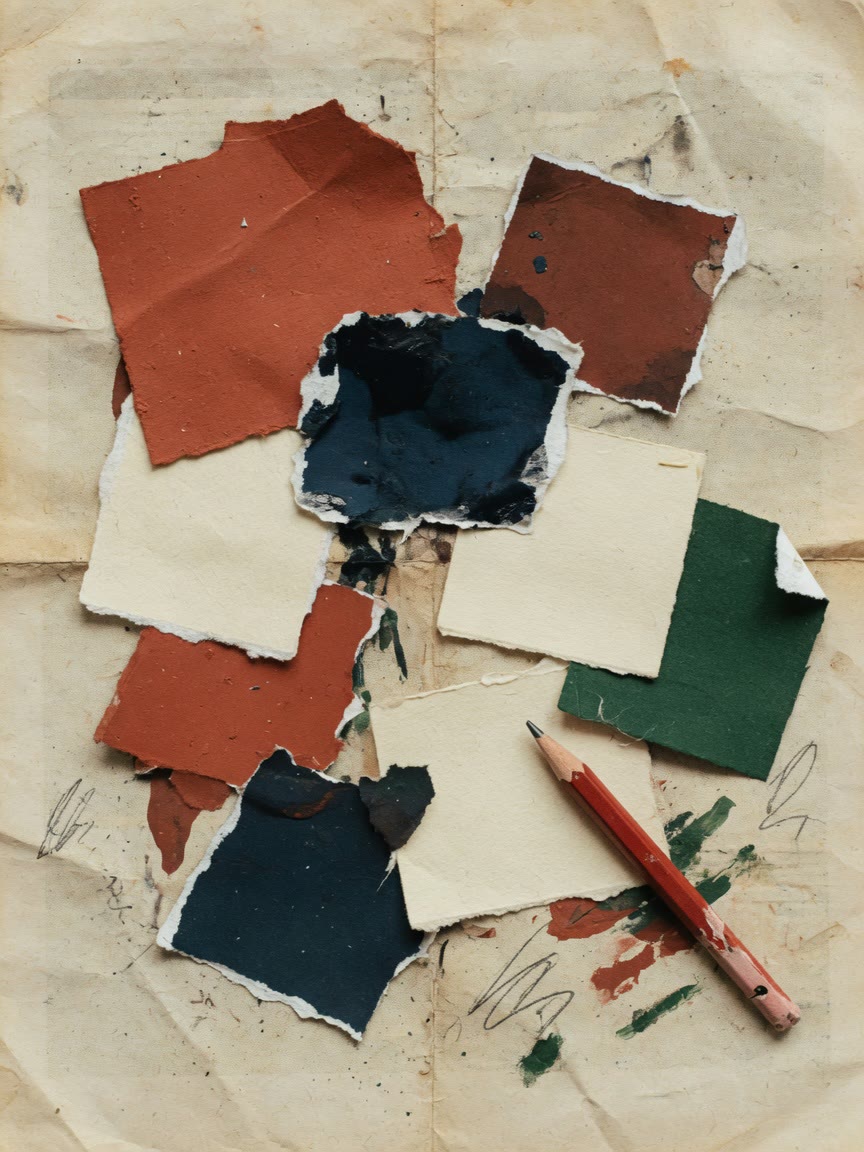
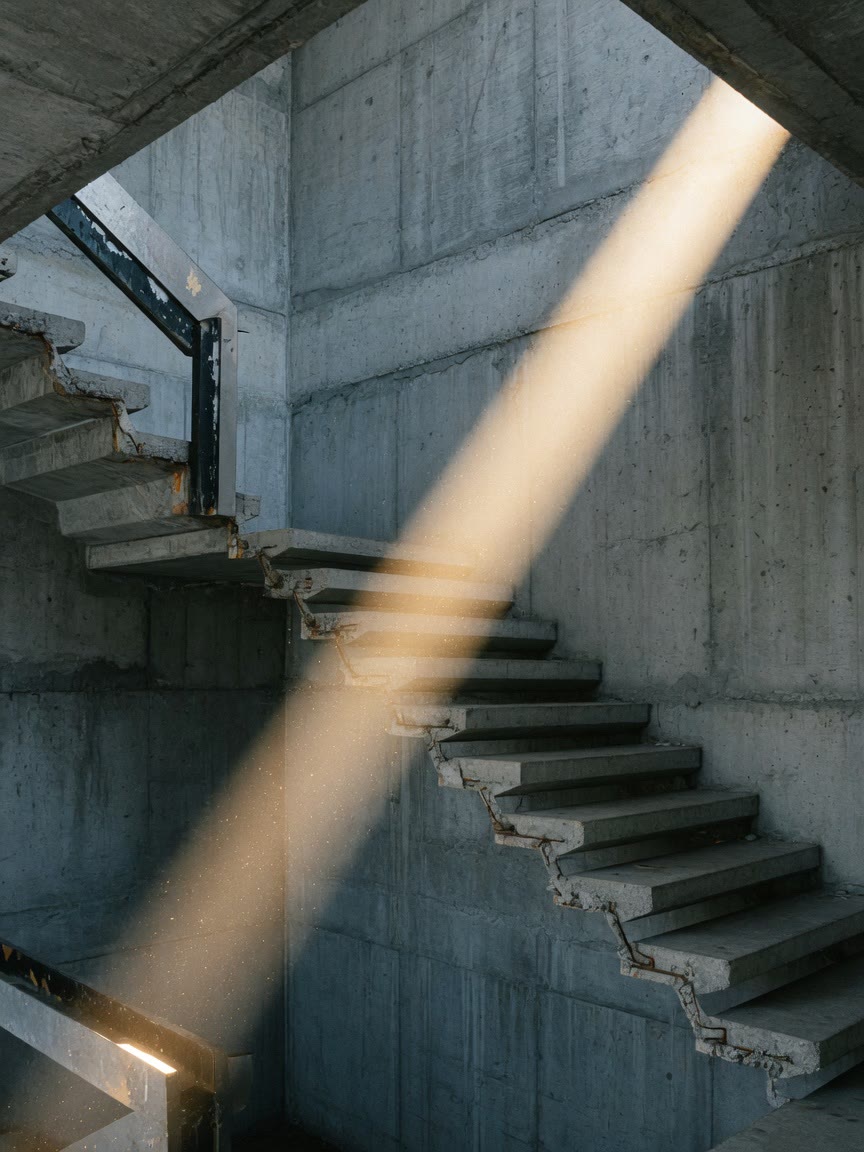
Nia’s personal website is a shelf. The studio line is “A small practice. Brand worlds, objects, and the analog studies that keep both from going glossy.” Atelier Lumen is a cloth-bound brand book for a lighting studio that still pours plaster. Civic Marks is a poster series with no slogan. Lamp No. 4 is bone glaze and an olive foot. The cards are different sizes because the objects are. That is a homepage a person can hand to someone: here is the work, here is Brooklyn, here is the email.
The bio is one practice, not “identity / print / digital.”
Each project has a year and a still. The personal site is the portfolio.
Nothing asks the visitor to open a case-study microsite before they know her name.
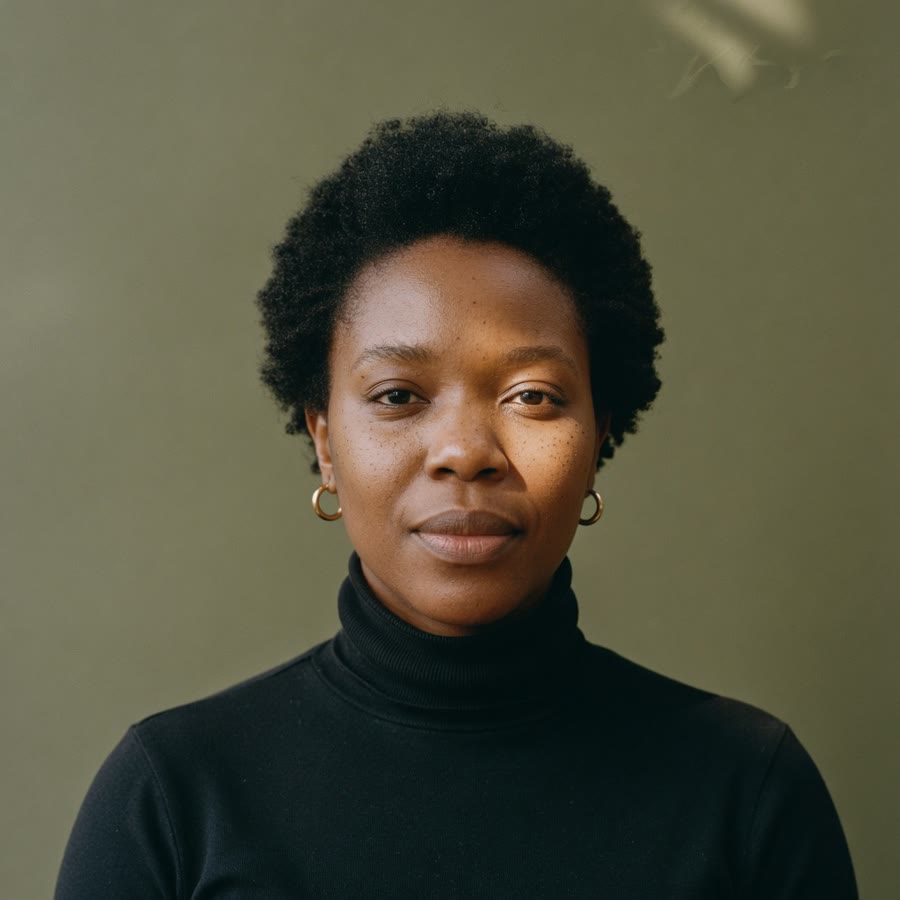
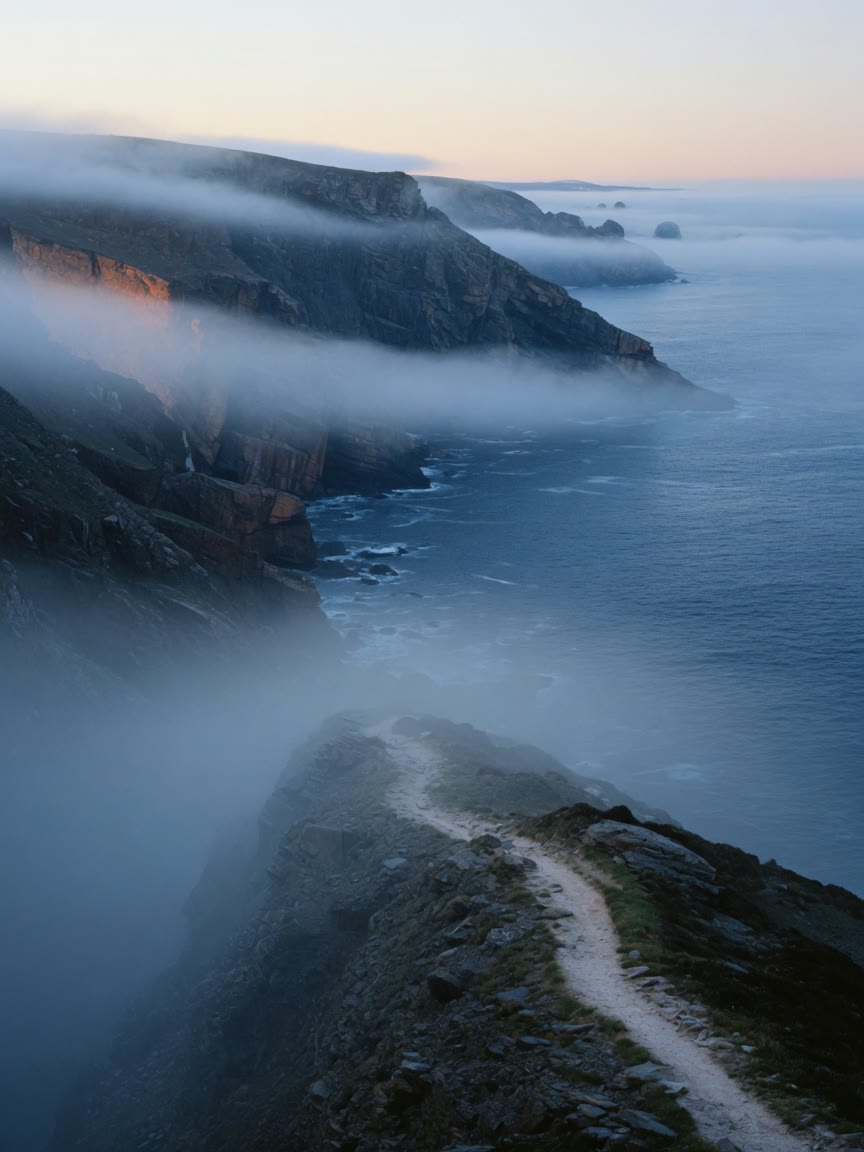
Maya’s personal website leads with a point of view: “Weather, concrete, and the people who wait in both.” She works between London and Lagos in the copy. The homepage is not “photographer available for work.” It is a small magazine: a series title, then the picture. Atlantic Edge states the print, 30×40 on cotton rag, before the file. That is what makes it a personal site rather than a folder of exports. The longer reading of the edit, picture by picture, is the editorial photography section on the photographer page.
The headline could only belong to this page. It is not a city plus a job.
Captions carry place and year. The personal site stays specific when the image is cropped.
Print enquiries are a sentence about editions posted from London, not a shop.
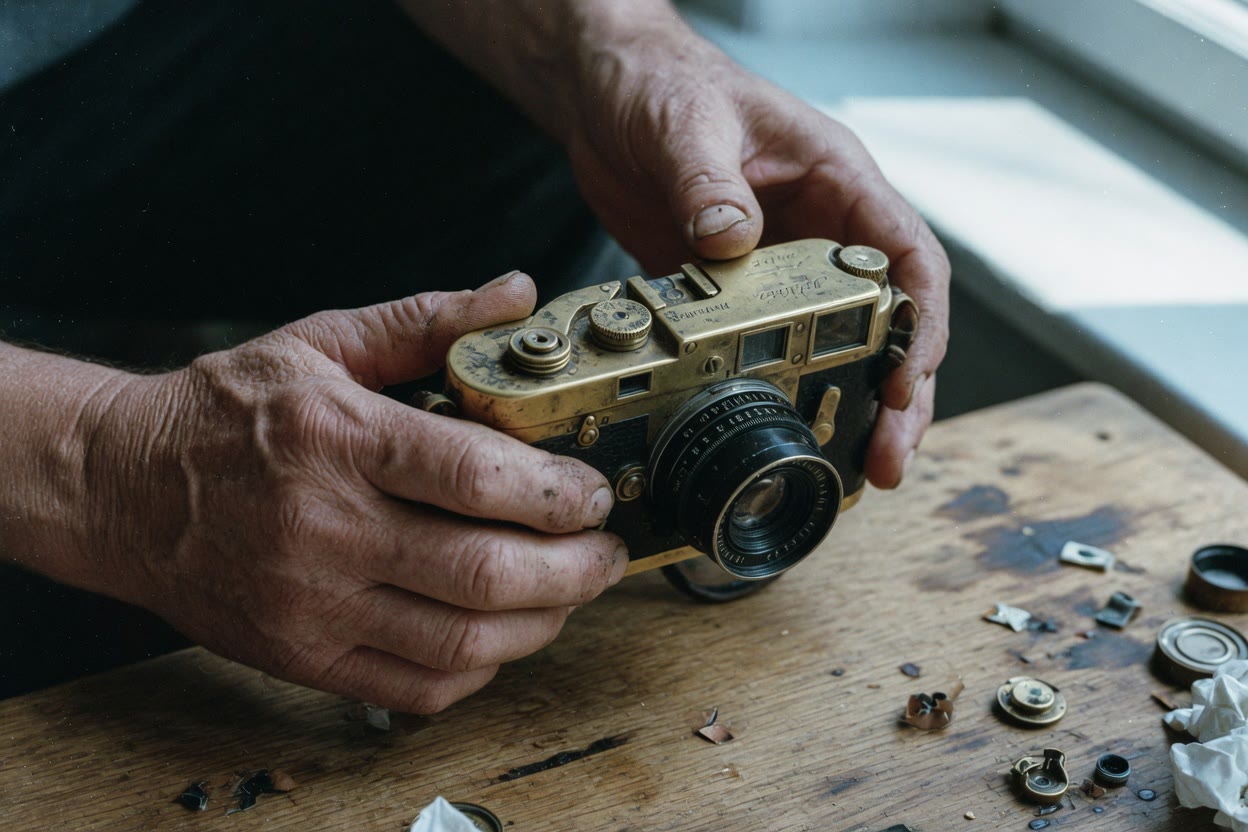
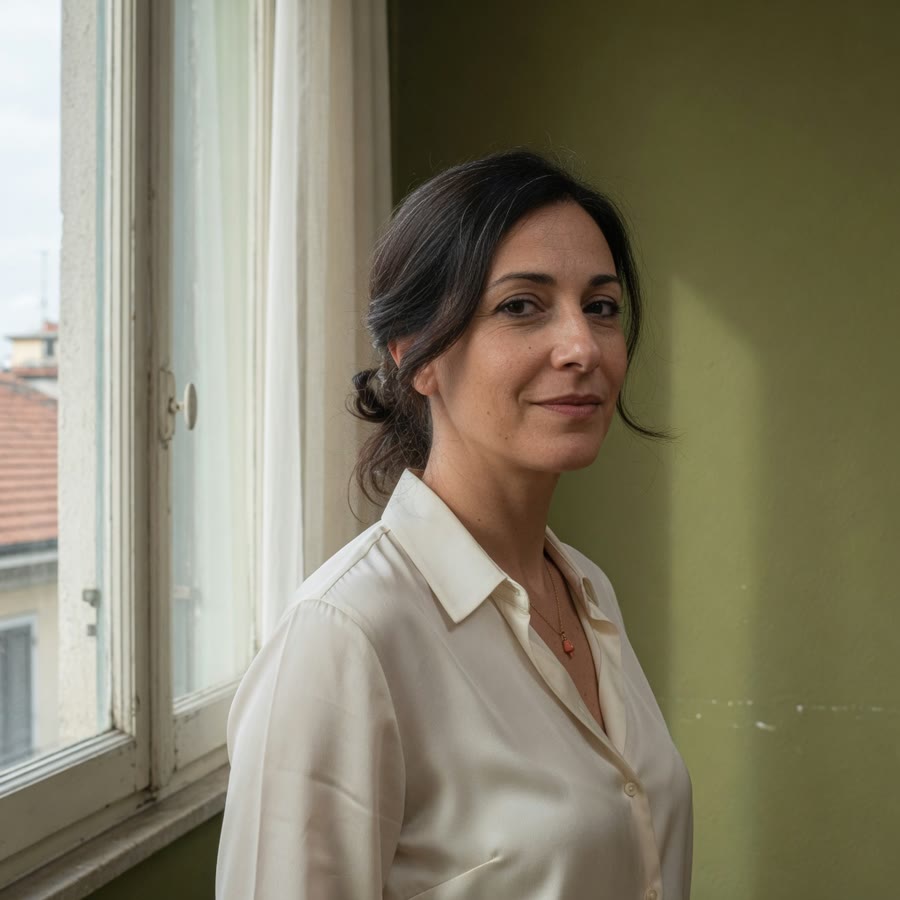
Elena’s personal website reads like a letter from Milan. She sits with architects, editors, and small studios until the work can be said in a sentence a stranger would trust. The page is mostly type: what the practice is, how a month begins, two links, and an email. It could be printed. That is the personal-site test for someone whose work is language. The hireable version of this idea, with the other freelance niches beside it, is on the freelancer examples.
The headline names who she helps. It does not list services.
Selected work is two links with the form in the hint, not a logo wall.
The page has an ending. You know where to write, and that she might say no.
I help independent practices explain what they actually do
Writer and advisor in Milan. I sit with architects, editors, and small studios until the work can be said in a sentence a stranger would trust.
Milan
Practice
Studio advisory, in writing
Most independent practices do not need a rebrand. They need language that matches the rooms they already make. I work in conversation, then on paper, then — only if it is useful — on the site.
How we begin
A month of interviews and editing. A positioning note you can actually use. Optional: a one-page site, often on SayHi, so the public version stays as quiet as the work.
What belongs on a personal website example worth copying?
A name, a sentence only that person would write, a few pieces of work, and a way to reply. Alex’s sentence is about languages and CLIs. Maya’s is about weather and concrete. A personal website that opens with “welcome to my website” has not started.
Are these one page personal website examples?
Yes. Each demo is one public page: bio, work, and contact. SayHi does not add a blog, a shop, or a set of inner pages. If a project needs a long case study, link out.
How is a personal website different from a freelancer site or a photographer portfolio?
A personal website is the homepage of a person. The freelancer examples read the same kind of page as something a buyer can hire from. The photographer examples stay on the edit and the captions, including editorial photography. Start here if you are choosing a shape. Follow the niche once you know it.
Are these real people?
No. Alex Chen, Nia Voss, Maya Okonkwo, and Elena Rossi are fictional demos shipped with SayHi. The layouts are the product. They are not customer stories.
Which template should a personal website start from?
Minimal when the proof is type and a few projects, as on Alex’s page. Bento when the work is a set of uneven objects, as on Nia’s. Editorial when pictures and captions share the page, as on Maya’s. Elegant when the page should read like a letter, as on Elena’s.
How do I publish one?
Use the personal website builder: claim sayhi.page/yourname, pick the template under the example that fits, and replace the fictional person. The guide walks the same steps without the gallery.