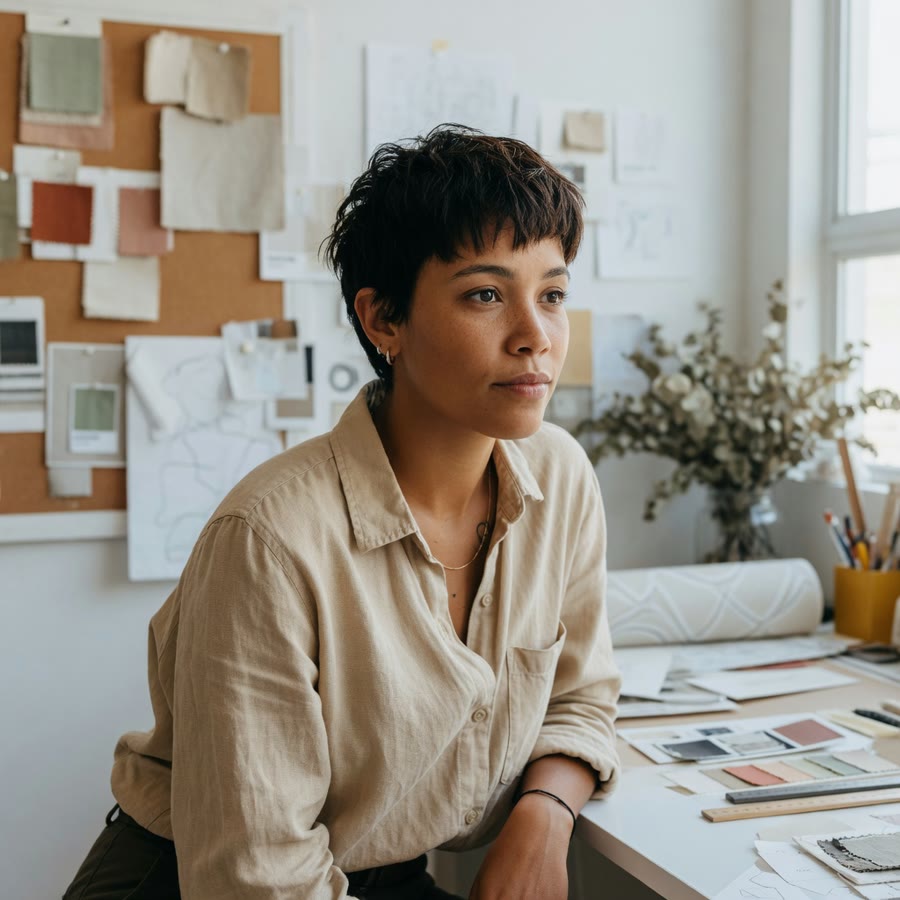
Nia Voss
Artists
A website for artists should show a focused set of works with titles, list your current and recent shows, and make it easy for a curator, collector or client to get in touch. SayHi puts that on one free page at sayhi.page/yourname, with large images and a link to your shop if you have one.
Curators, collectors and clients all want the same first thing: to see the work. Then they want facts.
Example
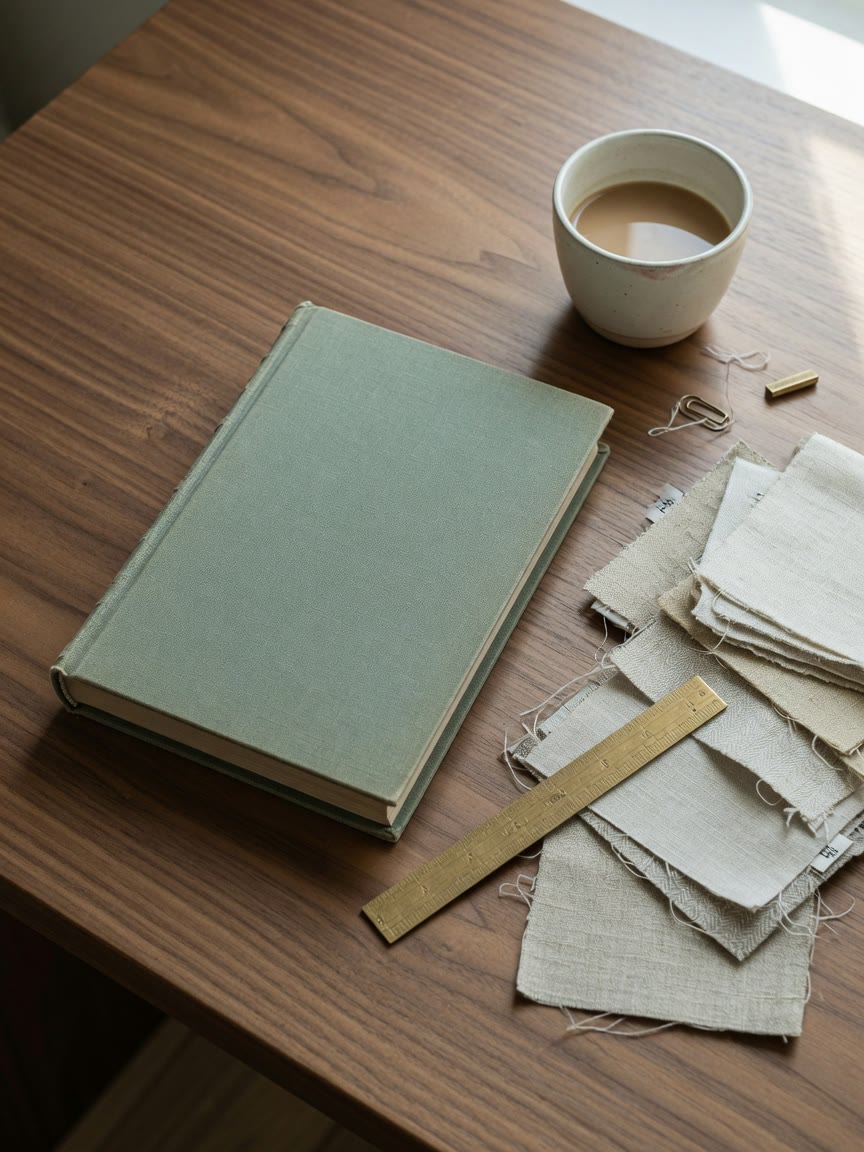
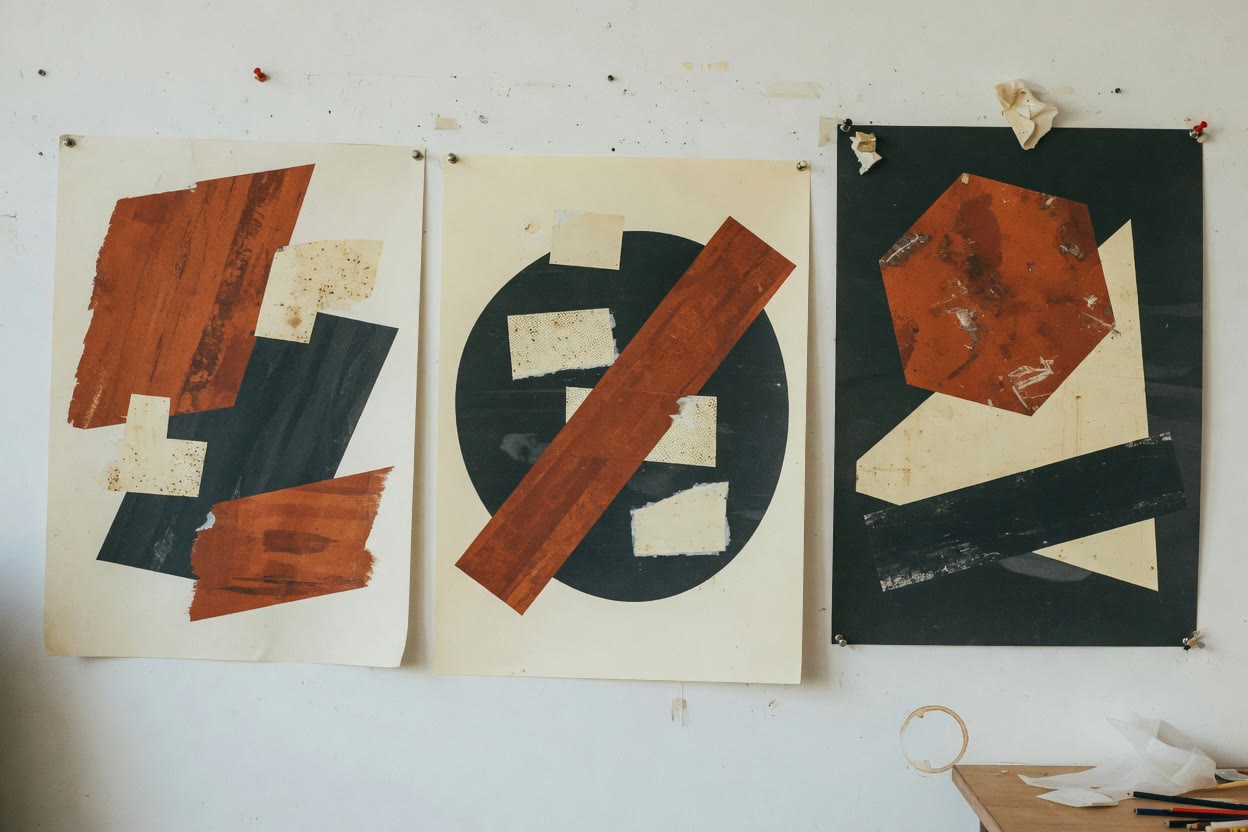
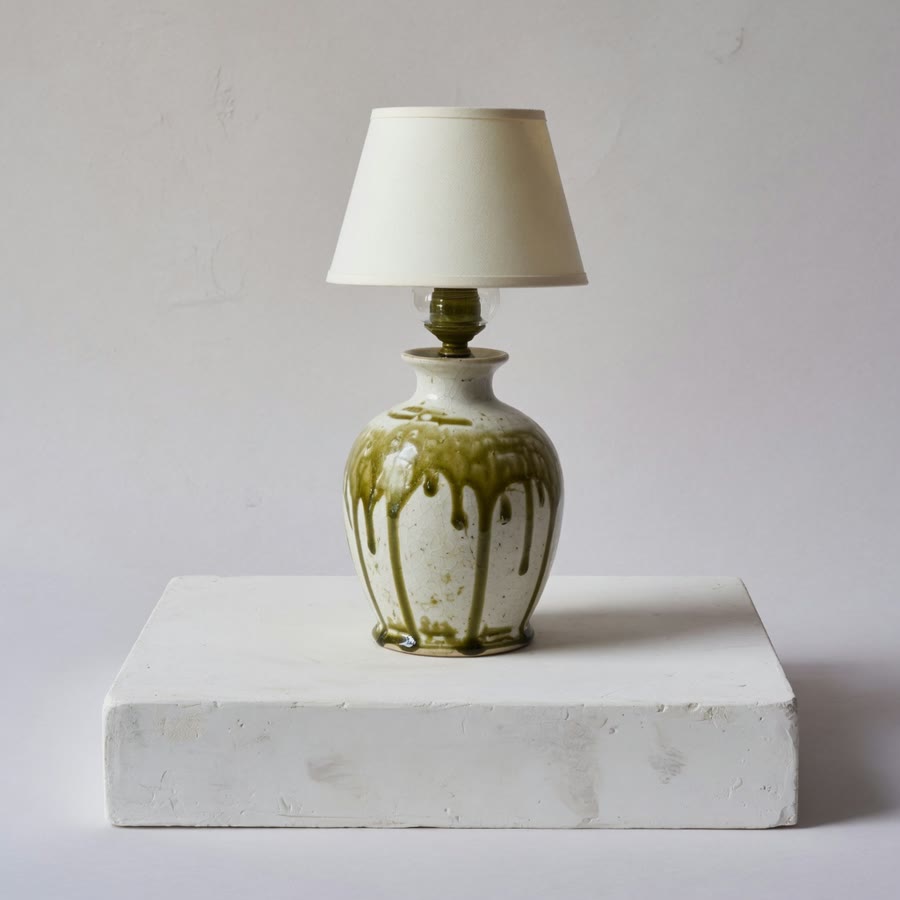
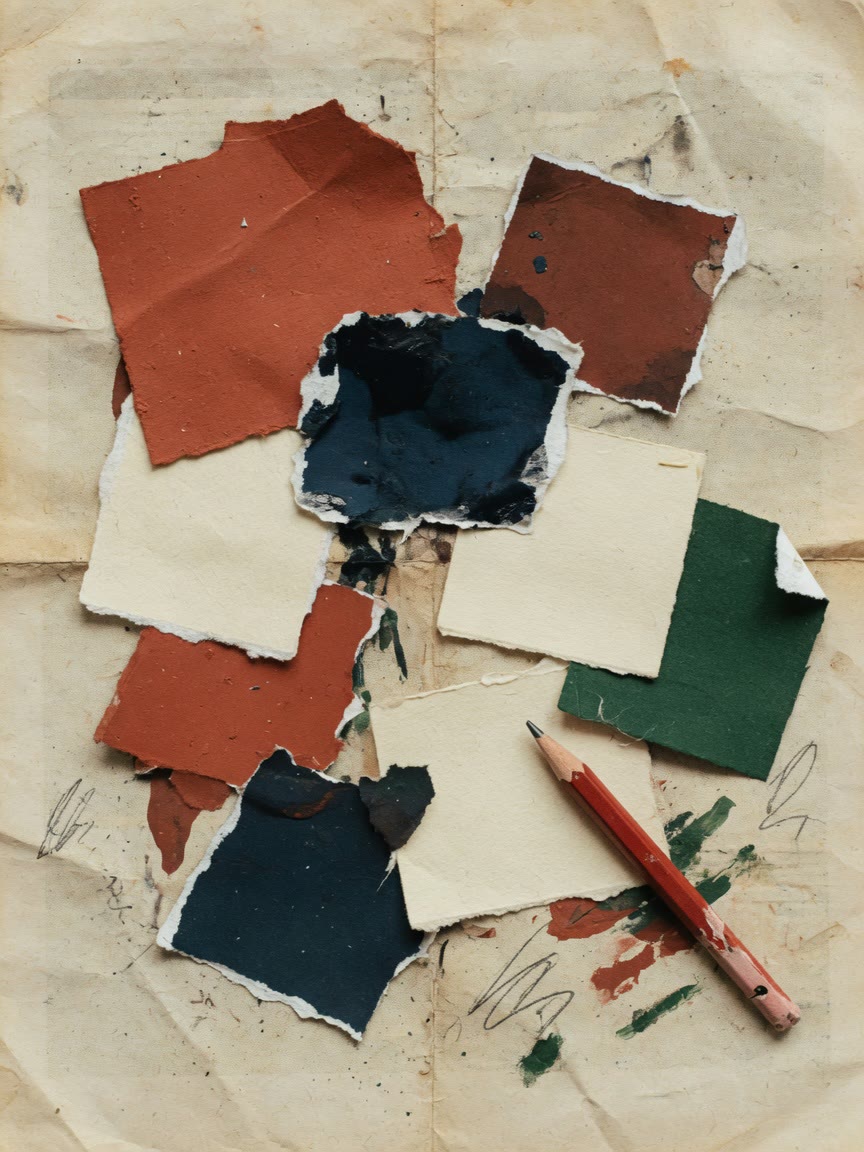
Nia is a demo designer whose page we use here to show the Portfolio template. Her work is a poster series, a ceramic lamp and colour studies, so it sits between design and fine art. In this layout each piece takes the full width, with its title, year and a sentence underneath.
For your own page, keep that structure and swap in paintings, prints or installation shots. Add a text block for shows after the works, then your studio contact.
Each one makes a curator or buyer work harder than they should.
Visitors came to look. Let the images come first and keep the statement short.
Pick the shows that matter and link the full CV as a PDF.
If a work is available, say so in the caption and link to where it can be bought.
Shoot in even light and crop out the wall. For many visitors this is the first time they see the piece.
The pictures get the width. A good default for a gallery of works.
When the order of the works tells a story and the captions are part of it.
Read next: Artist website examples, more ways to arrange works, shows and a commission note.
Pick six to twelve pieces that belong together. Leave the rest in your archive.
Upload each image in the editor and add the title, year, medium and size.
Sign in to publish at sayhi.page/yourname, then add it to Instagram, your email signature and gallery bios.
Link to your shop or gallery. SayHi does not process payments.
A designer portfolio shows client projects and what they achieved. An artist website shows works, shows and how to buy or commission. The layout can be the same while the captions and sections change.
Yes. Use a text block for a short list, newest first, and link any announcements.
Starting points for developers, designers, photographers, musicians, writers, and more.
Gallery layouts: a still at full width, a series, and an inquiry.
A one-page portfolio: large work, a short bio, and a URL for a bio or an email.
A bento grid or a large-work page for identity, objects, and selected projects.