How to build a portfolio
To build a portfolio, pick your best three to six projects for the work you want next, write a short description of each (the problem, what you did, and the result), add a brief bio and a way to contact you, then publish it at one link you can share everywhere. A tight selection reads better than a full archive.
Step by step
- Decide who the portfolio is for and what you want them to do.
- Gather everything you could show, then choose three to six pieces.
- Write a title, your role, and two or three sentences for each piece.
- Choose strong images or links for each one.
- Write a short bio and a one-line headline.
- Add an email link or contact form.
- Publish, test it on your phone, and share the link.
Start with who will look at it
A portfolio for an agency job, one for freelance clients, and one for a grad school application should look different. Write down the kind of work you want more of. Then every choice after that is easier: you show the projects closest to it and leave out the rest, even if they were hard work.
Choose the work
Lay out everything you could include and pick three to six pieces. Look for work that is close to what you want next, that you can explain, and that you would be happy to do again. If a project needs a long disclaimer, it probably doesn’t belong. Order the rest with your strongest piece first and your second strongest last.
Write a line under every piece
Images and links show what you made. The words explain why it’s good. For each piece, cover:
- Title, year, and your role. “Lead designer” and “one of six engineers” mean different things.
- The problem or brief, in one sentence.
- What you did, in one or two sentences.
- The result, if you can share it, and a link to the live work.
“Brand identity for a lighting studio that still pours its own plaster” tells a story. “Branding, print, digital” is a list of services. If a project deserves a longer case study, write it on its own page and link to it from the portfolio.
What to show, by field
- Designers: final pieces with a short note on the process. See portfolio pages for designers.
- Developers: projects with a live demo or repository and a sentence on what you built. See pages for developers.
- Photographers: a few series, edited tightly, with captions that give place and context. See pages for photographers.
- Writers: links to published pieces, with the outlet and a line about each.
Keep the bio short
Two or three lines: what you do, where you’re based or who you work with, and what you want next. The projects have to agree with the bio. If you say you’re a product designer and every piece is a logo, change one or the other.
Make it easy to hire you
End with an email link or a contact form. A portfolio that ends in a row of social icons leaves the next step to guesswork. If you’re available for work, say so in a sentence.
An example
Here’s a photographer’s page on the Portfolio template, with captions doing part of the work.
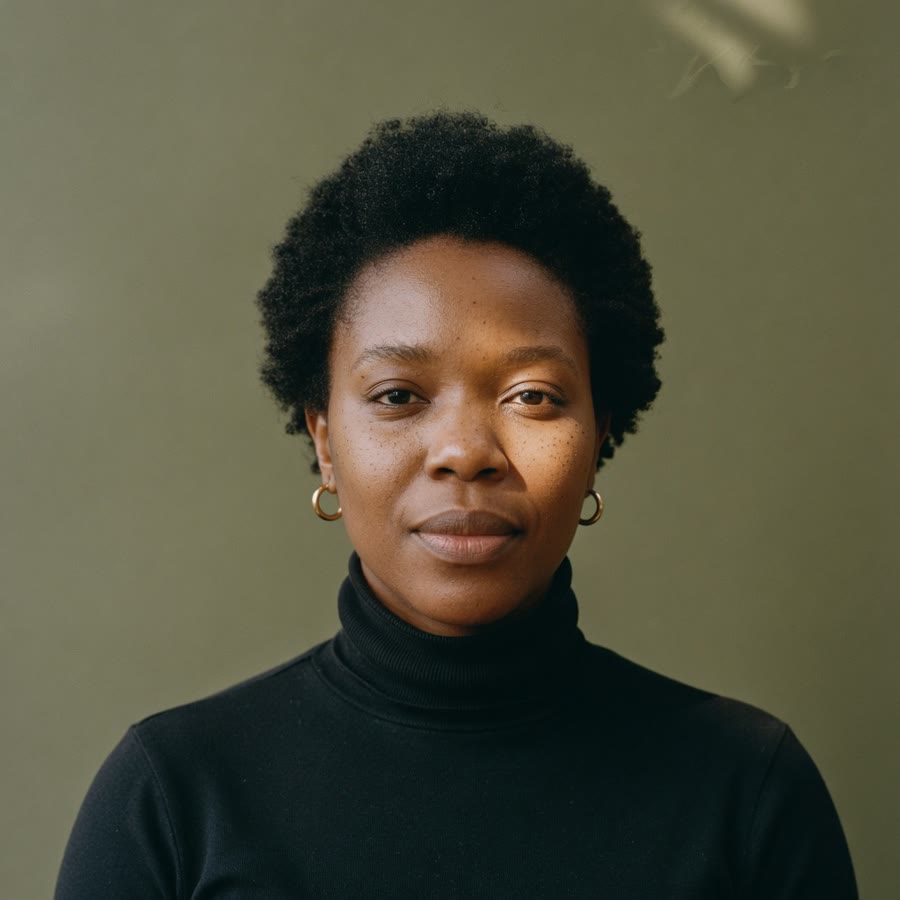
Maya Okonkwo
Weather, concrete, and the people who wait in both
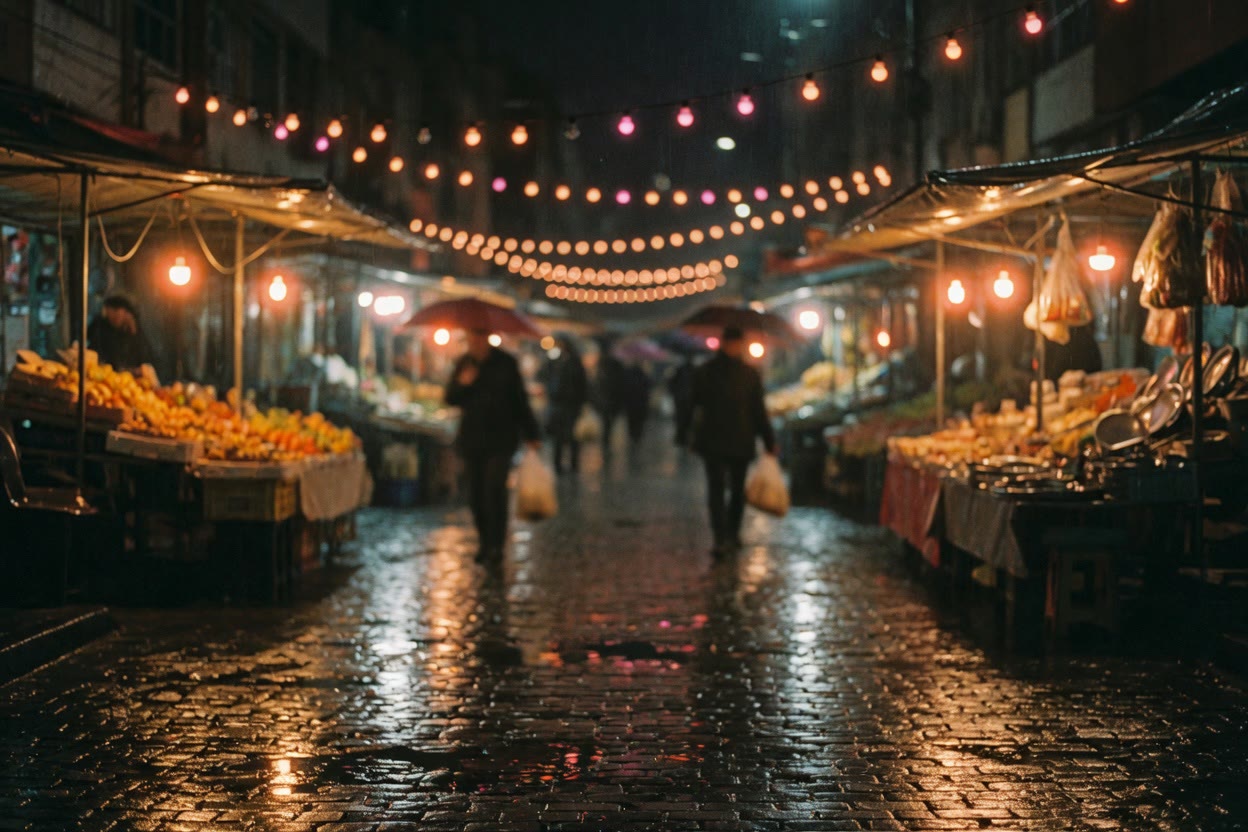
Photographer working between London and Lagos. Large-format landscapes, night streets, and the in-between weather that does not make the postcard.
Selected work
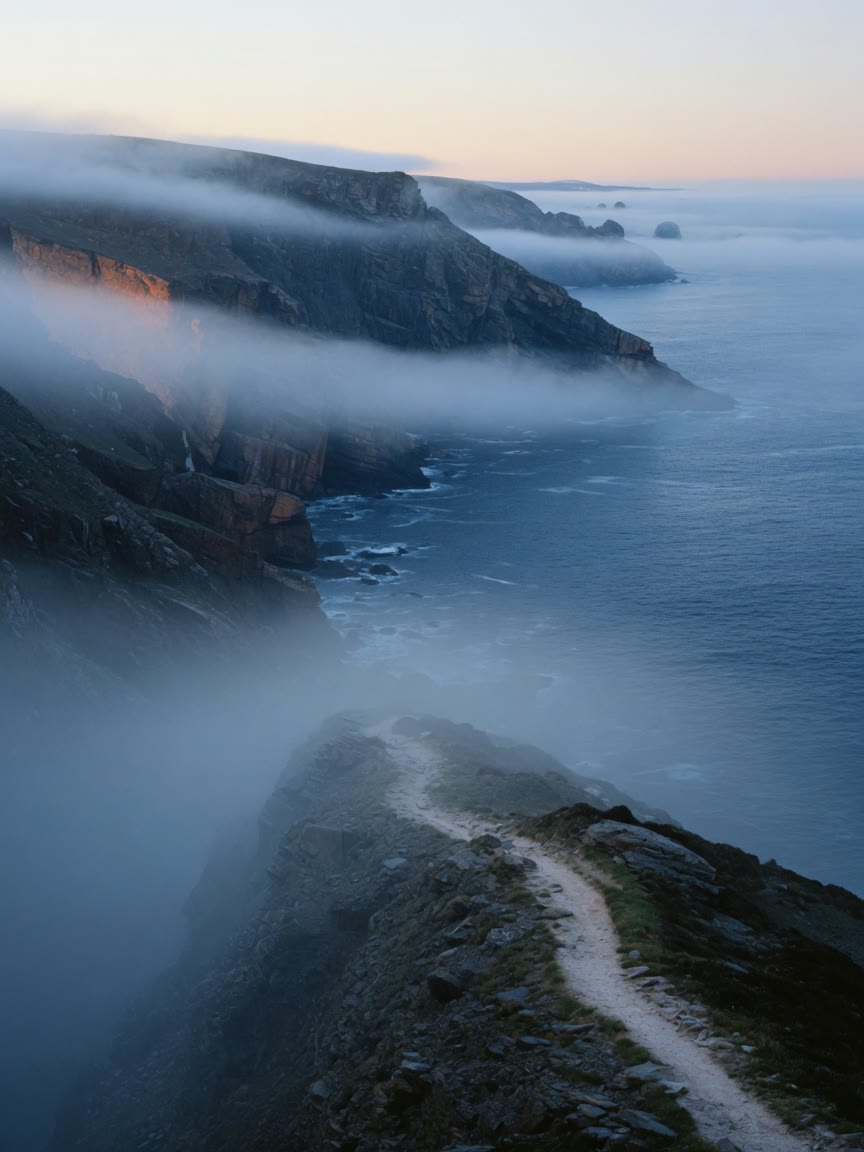
Atlantic Edge
Cliffs at first light, fog still deciding whether to lift. Printed 30×40 on cotton rag. The path is real; I waited for a morning with no hikers.
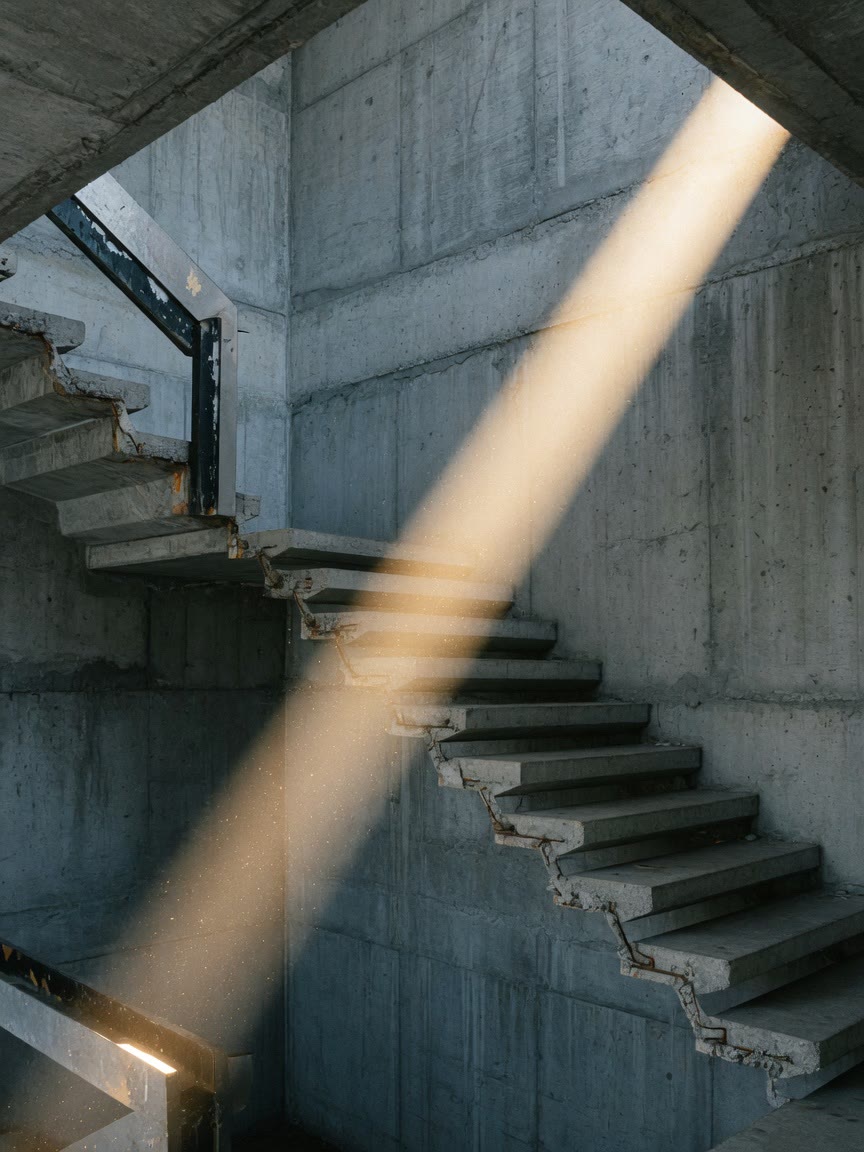
Cast Concrete
A stairwell in Peckham that only works for twenty minutes a day, when the sun hits the mid-landing and the dust becomes a second architecture.
More finished pages are in the photographer portfolio examples, developer portfolio examples, and writer website examples.
Mistakes to avoid
- Showing everything you’ve ever made.
- Images with no words, so visitors can’t tell what you did.
- Group projects with no mention of your part.
- Dead links to old demos or deleted posts.
- No contact details, or contact details only on a separate page.
Build yours with SayHi
SayHi’s portfolio builder gives you a free one-page portfolio at sayhi.page/yourname, with project blocks, uploaded images, and a contact form. The Portfolio template puts images first, and Editorial gives captions more room.
Questions
How many projects should a portfolio include?
Usually three to six. That is enough to show range and few enough that each one gets a proper sentence. Photographers and illustrators can show more images, as long as they come from a small number of series.
How do I build a portfolio with no experience?
Use personal projects, coursework, volunteer work, or self-set briefs, and label them honestly. A redesign of an app you use, a small tool you built for yourself, or a photo series of your neighbourhood all show how you think.
Should my portfolio be a PDF or a website?
A website is easier to share and update, and works on a phone. Keep a PDF version too if the jobs you apply for ask for one.
Can a portfolio also be my link in bio?
Yes. Put the portfolio URL on your social profiles. Make sure it still has a line about you and a way to get in touch, so it works for someone arriving from a post.